

Starting 2026 With a Mindset for a “Better Life”
"Life shrinks or expands in proportion to one's courage." - Anaïs Nin.

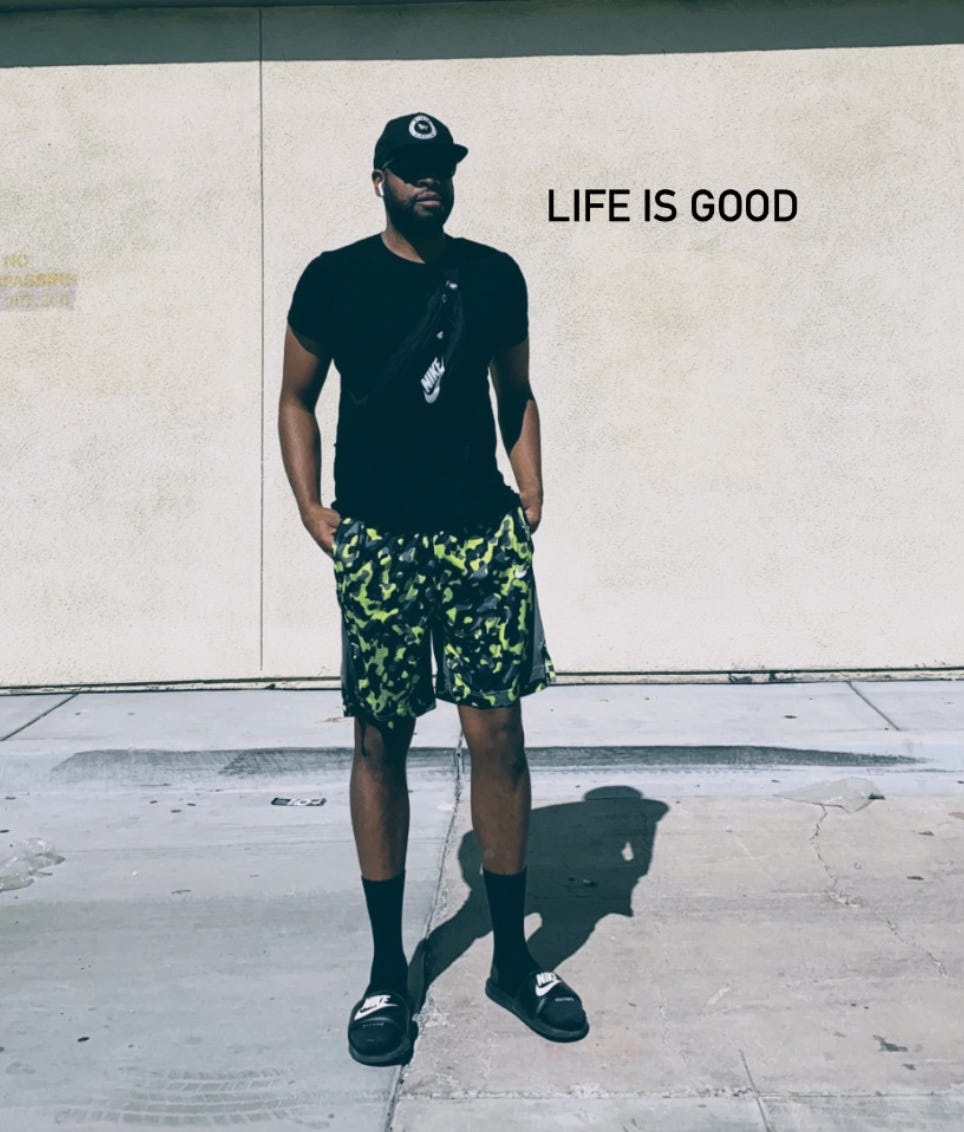
As 2026 approaches, it brings with it an opportunity to reset, refocus, and rebuild a stronger foundation for the life you want to live. This year is not just about setting goals — it’s about truly aligning your daily habits, priorities, and mindset with the vision of a healthier, more empowered future. You’re entering the new year with clarity about what matters most: improving your physical well-being, elevating your financial life, and nurturing habits that support long-term growth.
A key part of your 2026 vision is developing a healthier, more energized body. That means staying consistent with exercise, embracing a better diet, and making smarter choices when it comes to where — and what — you eat. Reducing sugar intake, discovering healthier restaurants, and prioritizing foods that support strength and longevity are all investments in yourself. These changes go beyond appearance; they’re about building a body that lets you enjoy life fully, confidently, and without unnecessary limitations.
Financial growth also sits at the heart of your new-year mindset. Purchasing a new Mustang convertible symbolizes not only a reward but also a milestone that reflects your financial discipline and ambition. Improving money habits, increasing income, and expanding your financial literacy through books and ongoing education will help you build a more secure and abundant future. Instead of drifting, 2026 becomes the year you navigate with intention, purpose, and smart decision-making.
Another powerful focus for the new year is expanding your knowledge in AI automation — an evolving field that can significantly increase your earning potential. Dedicating time to study and skill-building will open doors to new opportunities and strengthen your career trajectory. Whether it’s learning new tools, staying updated with emerging tech, or building automation projects, these steps will help shape you into someone who can thrive in a rapidly changing world.
Most importantly, 2026 is a year of emotional and personal growth. You’ve acknowledged that in 2024, you felt off track, postponed things, and faced moments of procrastination. Instead of denying those experiences, you’re taking full accountability for them — transforming them into fuel for change. Practicing gratitude, reflecting on your progress, and showing compassion toward your past self are all part of building a healthier, more resilient mindset. Every stride you take in 2026 is rooted in genuine self-awareness and a commitment to improving the quality of your life.
This year isn’t about perfection — it’s about progress. And you’re stepping into 2026 prepared, focused, and ready to create the life you’ve always envisioned.
Here are some Marcus Aurelius rules for a better life:
Focus on the essential. “If you seek tranquility,” Marcus Aurelius said, “do less.” Not nothing. Less. Do only what’s truly important. Which brings a double satisfaction, he said: you get to do fewer things, and you get to do those fewer things better.
Remember this rule daily. Keep a reminder in a place you’ll often see: focus only on what’s essential. Don’t suffer imagined troubles. “Don’t let your imagination be crushed by life as a whole,” Marcus reminded himself. “Stick with the situation at hand.”
Focus on the moment. Waste no time thinking about the monsters that may or may not be up ahead. Never be overheard complaining… Not even to yourself. In Meditations, Marcus emphasizes this idea over and over and over again:
Look inward, not outward. Don’t complain. Don’t meddle in the affairs of others. When you see someone acting objectionably, remember when you have acted that way. The Stoic is too busy improving themselves to waste time criticizing others.
By distinguishing between what we can and cannot control, it becomes clear that only our choices, deeds, words, and thoughts deserve our focus. Everything else concerns others, not us.
Don’t waste time worrying about other people’s opinions. Marcus talked about a strange paradox: we are generally selfish people, yet, more than ourselves, we value other people’s opinions about us. “It never ceases to amaze me,” he wrote, “we all love ourselves more than other people, but care more about their opinion than our own.”
Stoicism teaches us to focus only on what we can control. What others think of us isn’t something we can control. So, it’s not worth worrying about what others think.
-Mr. Burns